Did the Hardest A.I. Problem Just Get Much Easier?
A prominent researcher claims to have a revolutionary approach to “interpretability,” or the science of why A.I. models do what they do. Other experts aren’t so sure.
A prominent researcher claims to have a revolutionary approach to “interpretability,” or the science of why A.I. models do what they do. Other experts aren’t so sure.
Where there are floating docks, there are often communities of colorful marine organisms just below — and a community of curious people just above.
The Honolulu Museum of Art is showing how art can influence thinking, perspective and mood, in an exhibition that is part of a trend by museums to mix science and art.
A new simulation offers a highly immersive look at what happened during the first couple of billion years following the Big Bang.
Dr. Francis Halzen, the recipient of the Nobel Prize in Physics, sheds some light on the mysterious, subatomic particles that whiz through us everyday.
They’re transforming cities with million-dollar views and a message of modernity. But climate change makes cooling them tricky and costly.
Scientists now know that they shared many of the sophisticated abilities of Homo sapiens. So why are we the only humans left standing?
Scientists have voted to change how the world keeps time, but most people won't even notice. NPR's Scott Simon talks to Philippe Richard, director of Switzerland's Federal Institute of Metrology.
To get the science right, classical archaeologists, who excavate the world of the ancient Mediterranean, consulted on the show, which also stars Hugh Laurie.
For a century, amateur telescope makers have gathered at the Stellafane convention to celebrate their craft. Will the event last another 100 years?
Administrator Jared Isaacman said that the space agency was exploring ways to keep Artemis III on target without compromising safety.
In this edition of Spacing Out, the team from Short Wave shares the latest developments in space science, including the theory on why the universe is made of matter
Beyond melanoma, scientists are studying cancer vaccines for glioblastoma, pancreatic cancer and more.
New data have prompted questions about changes in teens’ sexual orientations. But researchers disagree on how much the numbers can really tell us.
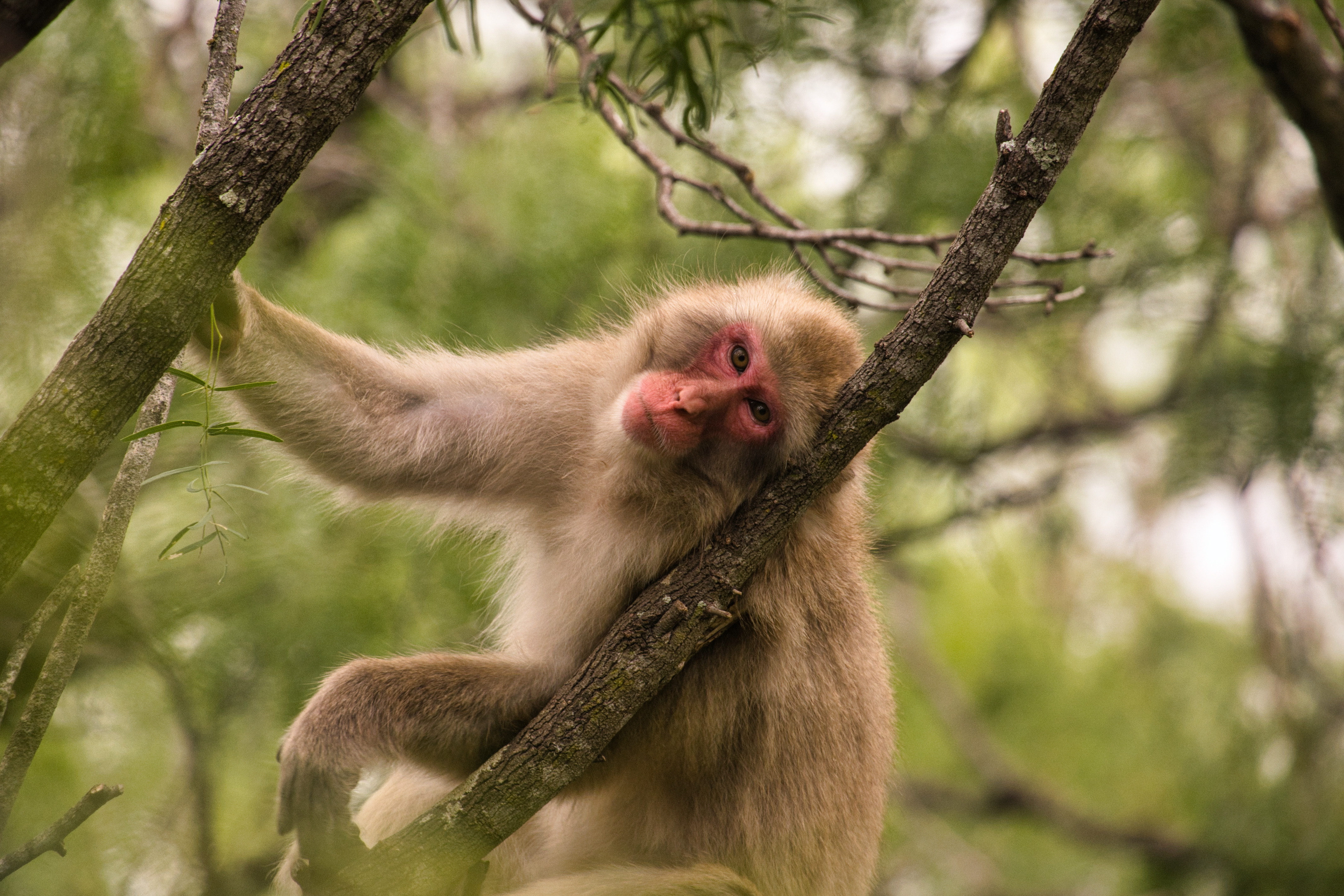
When an outbreak strikes, humans try to avoid germs. (Remember wiping off groceries at the start of the pandemic?) What about ... monkeys? (Image credit: Stephan Kaufhold)
The discovery may hint at the roots of human norms around fairness and friendship.
Violet Clinton is doing field research that one Cornell entomologist said would “outlive her.” Her dad still has to buy the beer for her moth bait.
New research in the journal Science finds that crows turn visual information into decisions twice as fast as humans and primates. They also process information is quite similarly to humans.
From Brazil to the North Sea, economic interests have been edging out climate priorities this week.
A young family thought they had escaped the toxic legacy of Love Canal with a dream house near a creek in the suburbs. Then the men in the hazmat suits showed up.
If climate change continues apace, 96 percent of shallow coral reef ecosystems may collapse within 50 years, including in Australia’s Great Barrier reef.
Chemical clues and computer simulations suggest the two rocky planets have unique origin stories.
Could the geometry of our brains increase the risk of Alzheimer’s disease? It’s a provocative question, but one that some scientists are beginning to explore.
The agency replied two months later, saying it had “competing priorities,” officials from a coalition of Western states said.
Pick what should wake you up. We only push stories the AI rates as genuinely urgent.
The front page opens with the newest stories from these sources, in this order. Your choice is kept in a cookie on this device.